

Public transit is an essential component of the transportation system in the NJTPA region. This page provides an overview of key issues, trends and studies underway related to public transit. Further information can be obtained in the NJTPA’s Long Range Transportation Plan.
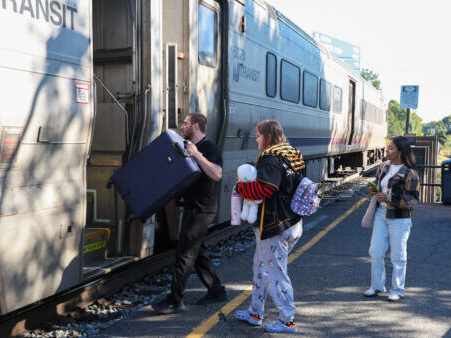
The transit system in the NJTPA region is largely operated by NJ TRANSIT. NJ TRANSIT is the nation’s third largest transit provider, linking major points in New Jersey, New York and Philadelphia on 236 bus routes, 11 rail lines and three light rail lines. Private carriers also comprise a significant portion of the State’s bus network providing local and express service to a variety of intra-state and inter-state destinations, including New York and Philadelphia.
Numerous county and municipal transit services also operate to serve local work trips, connections to rail stations and other purposes (see NJTPA subregions). Regional Transportation Management Associations provide other services.
Amtrak provides inter-city rail service in the Northeast Corridor linking New York, Newark, Trenton and points in between. The Port Authority of NY & NJ operates the PATH rail network, linking Newark, Harrison, Jersey City and Hoboken with Manhattan.

Investment in public transit remains a high priority in the NJTPA region. Every year, all public transit services receive roughly half of the federal transportation funding annually allocated by the NJTPA. Most of this funding is used for maintaining a state of good repair of existing transit vehicles, facilities and services.
As the MPO for northern New Jersey, the NJTPA funds programs and participates in studies with subregions and partner agencies that seek to ensure that transit planning reflects community context when considering access, mobility, economic growth, land use policies and quality of life needs within the region.
Key Programs
- The NJTPA Planning for Emerging Centers Program, which incorporates Transit Oriented Development improvement strategies in the development of municipal plans and regulatory updates that respond to the demographic, land use, housing, accessibility, environmental, and economic changes taking place within the NJTPA region.
- The Transit Hub Planning Program, which provides planning expertise and guidance to municipalities by developing strategic plans to improve access, economic activity, and vibrant and connected spaces around transit stations and stops reflecting community-based stakeholder visioning. Administered jointly by the NJTPA and the American Planning Association New Jersey Chapter, this volunteer-based pro-bono program engages professional planners and employs the principles it has established in the NJTPA Guidebook for Transit Hub Planning developed under the Together North Jersey planning process.
- The Local Mobility Initiatives program, administered in partnership with NJ TRANSIT, is designed to advance transit shuttles and micromobility strategies that improve air quality, encourage and increase transit use, walking, and biking, support active transportation, and improve personal mobility.
Municipalities and subregions receive support for shuttles and other mobility initiatives through Local Transit Grants. These grants are guided by the Coordinated Public Transit Human Services Transportation Plan which provides a regional perspective for ongoing efforts to improve mobility for transportation disadvantaged people, including: older adults (65+), low-income individuals, veterans, and people with disabilities without a reliable way to get to work and rural travelers who face transportation challenges.
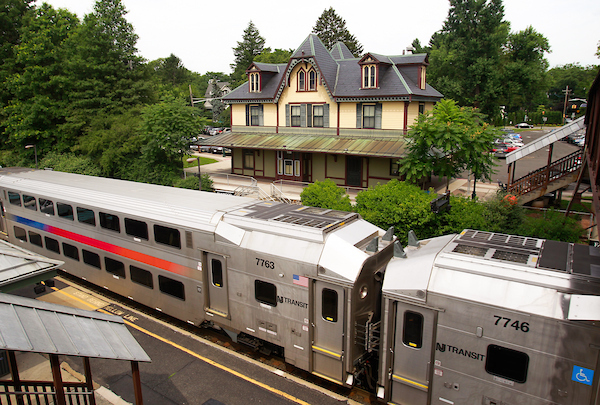
Transit Hub Planning Program
The Transit Hub Planning Program helps communities to develop strategic plans that improve transit station access, increase economic activity in the hub area, create improved public spaces and promote a more vibrant and connected community. Find out more about this competitive pro-bono planning assistance program